Comprehending the Trick Advantages of HDPE Pipe for Water and Wastewater Management
Making use of HDPE pipeline in water and wastewater monitoring provides numerous benefits that warrant consideration. Its exceptional durability and lengthy life-span make it a preferred option for several jobs. Furthermore, the material's resistance to corrosion and chemical damage improves its reliability in various settings. Nonetheless, the advantages expand beyond simply long life and resistance. Exploring its cost-effectiveness and ecological effect discloses much more compelling reasons for its widespread adoption in contemporary framework
Outstanding Sturdiness and Long Life

HDPE pipeline stands out for its exceptional longevity and long life, making it a preferred selection in water management systems. Built from high-density polyethylene, these pipes can stand up to substantial stress and stress, guaranteeing reliable performance in time. Their durable nature permits them to endure severe ecological conditions, consisting of temperature level changes and soil movements, which can trigger various other products to stop working.
The lifespan of HDPE pipelines frequently goes beyond 50 years, providing an economical solution for municipalities and sectors alike. In addition, the material's light-weight buildings streamline installation, lowering labor costs and timeframes. This toughness minimizes the need for regular fixings or substitutes, additionally boosting its financial appeal.
In water monitoring applications, the integrity of HDPE pipelines means fewer disturbances and boosted solution continuity, making them indispensable to sustainable facilities development. The combination of longevity and longevity solidifies HDPE's role as a cornerstone in effective water administration remedies.
Resistance to Deterioration and Chemical Damages
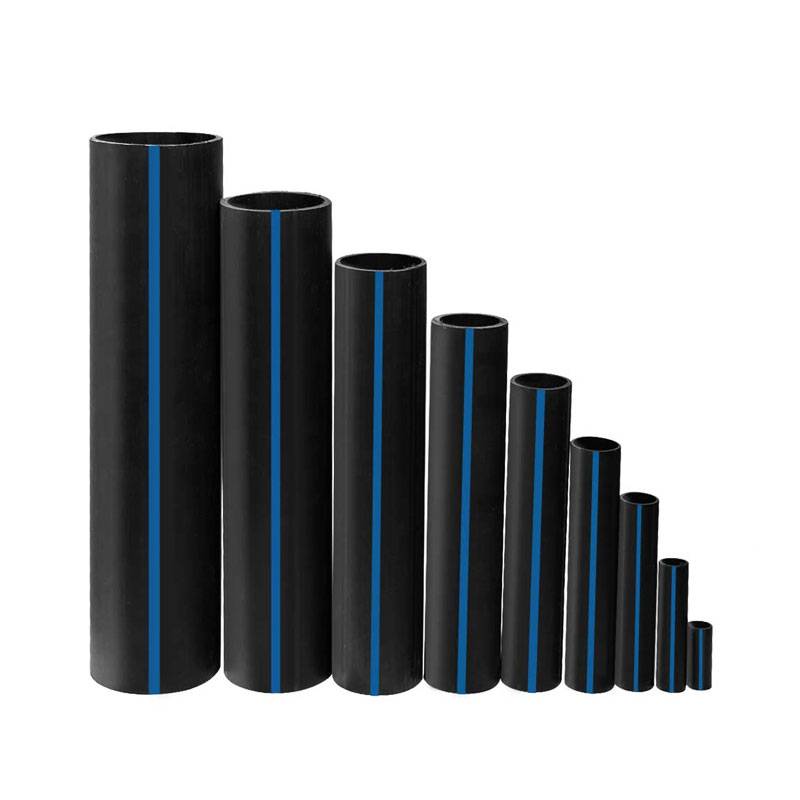
While several products catch rust and chemical damage over time, HDPE pipelines show amazing resistance, making them optimal for numerous water administration applications. This resilience originates from the molecular structure of high-density polyethylene, which is inherently non-reactive and does not corrode like steels or break down from exposure to rough chemicals. As a result, HDPE is extremely reliable in settings with hostile compounds, such as wastewater systems that might include acids, bases, and natural solvents.
Furthermore, HDPE pipelines can stand up to ecological factors such as dirt level of acidity and saline problems, better improving their suitability for varied applications (hdpe pipe fittings Midland TX). Their capacity to preserve structural honesty with time minimizes the threat of leaks and failings, which is vital in ensuring the safety and security and integrity of water distribution and wastewater administration systems. The resistance to rust and chemical damage significantly adds to the general effectiveness and durability of HDPE piping options.
Cost-Effectiveness and Economic Benefits
When considering the monetary ramifications of water monitoring systems, the cost-effectiveness of HDPE pipelines becomes obvious. These pipes supply lower installment and upkeep prices compared to conventional materials like steel or concrete. Their light-weight nature simplifies transport and installation, causing decreased labor costs. Additionally, HDPE pipelines display a lengthy lifespan, usually exceeding 50 years, which translates to less substitutes and long-lasting cost savings.
The resistance of HDPE to rust and chemical damages lessens the need for costly repair services and substitutes. The pipes also sustain reliable water circulation, minimizing power costs connected with pumping systems. By minimizing leaks and water loss, HDPE pipes add to considerable financial benefits for districts and markets alike. Generally, the initial financial investment in HDPE piping can generate significant monetary returns over the lifespan of the water administration system, making it a sensible choice for sustainable framework growth.
Environmental Sustainability and Decreased Influence
Convenience and Flexibility in Installment
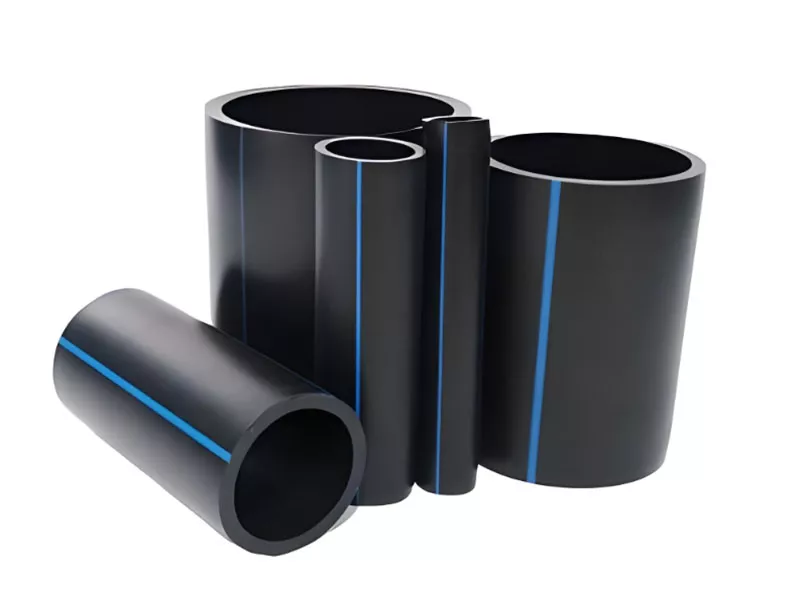
Since of their special properties, HDPE pipes supply remarkable adaptability and adaptability in installment, making them appropriate for a variety of applications. Their light-weight nature permits less complicated handling and transportation, minimizing labor expenses and setup time. HDPE pipes can be bent and formed to fit various terrains and task requirements, which is particularly valuable in challenging environments.
In addition, their resistance to deterioration and chemical damage permits installation in varied settings without the requirement for specialized safety coatings. The capability to fuse joints produces a constant, leak-free system, boosting the general honesty and reliability of the setup. HDPE's adaptability also fits ground activity, minimizing the threat of damages in locations susceptible to moving soil. Overall, these characteristics make HDPE pipelines not only versatile but also a preferred option for water and wastewater administration systems.
Regularly Asked Inquiries
How Does HDPE Pipeline Compare to PVC in Water Management Applications?
HDPE pipeline supplies superior flexibility, resistance to rust, and sturdiness contrasted to PVC. Its lighter weight assists in much easier setup, while its lengthy life expectancy decreases replacement costs, making HDPE a preferred option in water management applications.
What Is the Lifespan of HDPE Water Lines Under Common Problems?
Under normal conditions, HDPE pipelines can have a life-span ranging from 50 to 100 years. Their toughness and resistance to deterioration contribute to their long-term performance in numerous applications, making them a dependable choice for infrastructure.
Are HDPE Pipeline Recyclable After Their Life Span?
Yes, HDPE pipelines are recyclable after their life span. Pipe Supplier American Plastics Midland. They can be refined and repurposed into brand-new products, considerably minimizing environmental impact and promoting sustainability within the industry, making them an eco-friendly option for piping solutions
What Is the Installment Process for HDPE Water Lines?
The setup procedure for HDPE pipes involves site prep work, trenching, pipeline fusion or mechanical joining, backfilling, and stress screening. Correct techniques assure a durable and efficient system for transferring water and wastewater effectively.
Can HDPE Pipes Be Used for Both Potable and Non-Potable Water Systems?
Yes, HDPE pipelines can be utilized for both potable and non-potable water systems. Their convenience, toughness, and resistance to rust make them suitable for different applications, guaranteeing secure and efficient transportation of water in various contexts.
Comments on “Why Texas hdpe pipe manufacturer Is Setting Standards in Advanced Pipe Solutions”